


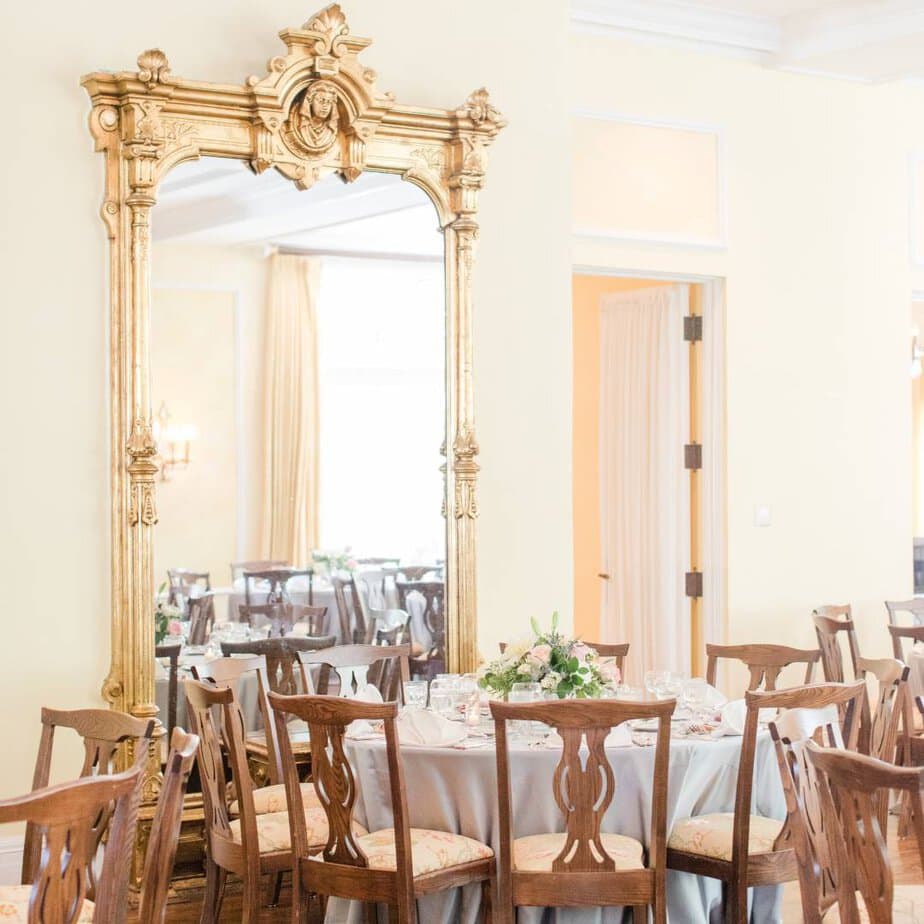
When a country club undertakes a renovation, the focus often begins with finishes. Flooring samples are passed around. Lighting plans are debated. Wall colors are tested under different bulbs. Yet time and again, one of the most consequential decisions arrives late in the process: the chairs. That’s a costly mistake.
In a private club, seating is not an accessory. It is infrastructure. Chairs dictate how a room functions, how it sounds, how it ages, and how easily it adapts to the next generation of members. When renovation plans begin with chairs instead of treating them as an afterthought, everything else tends to fall into place.
Chairs Define the Room Before the Walls Do
A dining room may look generous on paper, but chair dimensions quickly tell the truth. Seat width, arm clearance, and pull-back space determine table spacing and aisle flow.
A chair that is even an inch wider than expected can reduce capacity, compress circulation paths, or force uncomfortable layouts. Conversely, thoughtfully scaled seating allows architects and designers to maximize flexibility without crowding members or staff.
Starting with chairs early helps answer essential questions:
-How many members can we seat comfortably, not theoretically
-Can the room shift easily from dining to events
-Will staff have space to move efficiently during peak service
When chairs are selected first, layouts become intentional rather than reactive.
Acoustics Start at Seat Level
Club dining rooms are meant for conversation. But hard surfaces, high ceilings, and open plans often amplify noise, especially during busy evenings or large events.
Chairs play a larger role in acoustics than many realize. Wood density, seat construction, upholstery choices, and even how chairs move across the floor affect sound levels.
Well-built wood chairs with strong joinery and stable mass help dampen sound rather than broadcast it. Upholstered seats and backs can further soften a room without relying solely on architectural acoustic treatments. A renovation that prioritizes seating often achieves a calmer, more comfortable dining experience without sacrificing architectural character.
Flexibility Is Built Chair by Chair
Today’s clubhouses must do more than ever. A single room may host breakfast, formal dinners, weddings, board meetings, lectures, and holiday events. The success of that flexibility depends heavily on seating.
Stacking capability, chair weight, and durability determine how easily staff can reconfigure spaces. Chairs that stack cleanly protect finishes and floors. Chairs engineered for frequent movement hold their alignment year after year. Chairs designed for institutional use do not loosen, wobble, or require constant tightening. When clubs choose seating designed for residential settings, flexibility erodes quickly. When chairs are engineered for high-use environments, rooms stay adaptable long after the ribbon cutting.
Renovation Budgets Favor Longevity
Renovations are expensive, and club boards rightly scrutinize long-term value. Chairs that must be replaced every few years quietly inflate operating costs and disrupt member experience.
Starting with durable seating allows clubs to invest once and plan confidently. Chairs built to endure daily use reduce replacement cycles, minimize maintenance, and preserve the visual integrity of newly renovated spaces. In sustainability terms, the most responsible chair is the one that never needs replacing. Longevity is not only fiscally sound; it is environmentally sound as well.
A Better Way to Renovate
The most successful clubhouse renovations follow a simple principle: function first, finishes second. Chairs sit at the intersection of both.
By selecting seating early, clubs gain:
-More accurate space planning
-Improved acoustics without excessive intervention
-Greater flexibility for future programming
-Lower lifetime costs and less disruption
A chair is the one element every member touches, every day. It supports conversation, comfort, and community. When renovation planning starts at the seat level, the entire clubhouse benefits.
If your club is considering a renovation, start where members do: with the chair.