


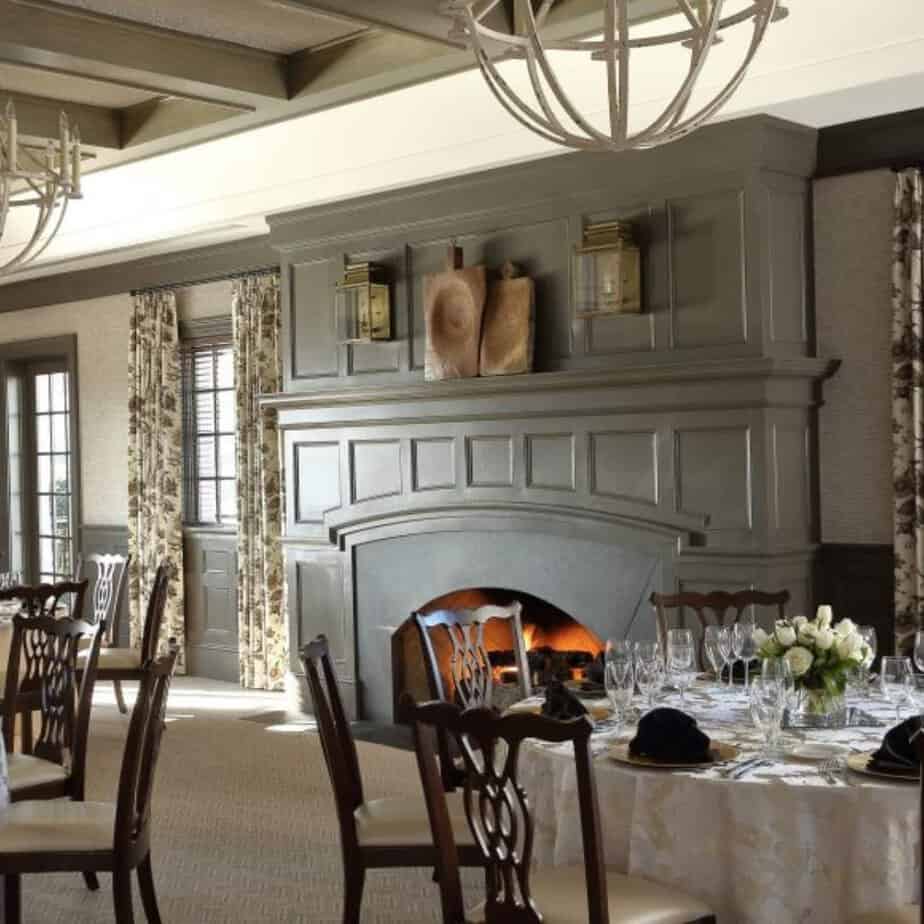
When a Chair Gives Out, It’s Never Just a Chair
Walk into any busy clubhouse on a Sunday afternoon, and you will see it. A chair that wobbles just enough to make a member shift their weight. Another quietly pulled out of service and leaned against the wall. A stack of “almost fine” chairs is waiting for someone to decide their fate. It rarely happens all at once. Chairs fail slowly, then all at once. By the time the problem is obvious, the cost is already sunk.
The Real Reasons Country Club Chairs Fail
1. Weak Joinery at the Stress Points
Most chair failures begin where the legs meet the seat. This is where daily use creates constant pressure from every direction. Sitting, leaning, scooting across the floor. In many chairs, this joint is held together with glue and basic dowels. Over time, those joints loosen. Once that movement begins, failure is not far behind. At Eustis Chair, we solved this decades ago with the Eustis Joint®, which reinforces critical joints with steel rods and specialized epoxy. Instead of being the weakest point, the joint becomes the strongest part of the chair.
2. Inferior Materials Cannot Handle Daily Use
Not all chairs are created equal. Many imported chairs rely on lower-grade materials or mixed hardwoods that respond poorly to changes in humidity and temperature. Country clubs, especially those near the coast or with seasonal swings, put real stress on furniture. Wood expands and contracts. Finishes wear unevenly. Structural integrity declines. Solid, sustainably harvested North American hardwoods like oak, maple, and cherry hold up because they were meant to. They age with dignity rather than degrade under pressure.
3. Chairs Designed for Looks, Not Movement
A beautiful chair that cannot be moved easily will not survive long in a club environment. Dining rooms reset daily. Banquet spaces turn over between events. Staff members stack, carry, and reposition chairs constantly. Chairs that are not designed for this reality suffer damage in transit. Legs chip. joints loosen. finishes wear at contact points. That is why properly engineered stacking chairs are not just convenient. They are essential.
4. Finishes That Break Down Too Quickly
The first sign of wear is often cosmetic. Scratches. Dulling. Discoloration. But beneath that, a failing finish exposes the wood to moisture and wear, accelerating structural decline. High-performance, low-VOC finishes do more than look good. They protect the chair for years of heavy use while supporting healthier indoor environments.
5. Short-Term Purchasing Decisions
This may be the most common cause of all. When chairs are selected based on upfront cost rather than lifecycle value, the result is predictable. Frequent replacements. Inconsistent aesthetics. Ongoing disruption. What appears economical at purchase becomes expensive over time.
How to Choose Chairs That Actually Last
Start with Construction, Not Style
Style matters. It always will in a club setting. But construction determines whether that style will still be present five or ten years from now. Ask how the chair is built. Find out how it is tested. Ask what happens at the joints after years of use.
Choose Materials with Proven Longevity
Look for solid hardwoods sourced responsibly from North America. These materials offer consistency, strength, and sustainability. They also align with a growing expectation among members that their club supports responsible sourcing and American manufacturing.
Prioritize Durability in Real World Conditions
Consider how the chairs will actually be used. Will they be stacked? Moved daily? Used for events with high turnover? Select designs that are engineered for those realities, not just designed for a showroom.
Think in Decades, Not Seasons
A well-built chair should not be a short-term solution. It should be part of the club’s long-term story. At Eustis Chair, we stand behind that philosophy with a 20-year warranty on the Eustis Joint®. Not as a marketing line, but as a reflection of how the chair is built.
Work with a Manufacturer Who Understands Clubs
Country clubs are not generic spaces. They carry history, expectation, and identity. The right partner understands that a chair is not just furniture. It is part of the member experience.
The Quiet Advantage of Getting It Right
Ready to spec seating that will still be in service a decade from now? Let’s start the conversation.