

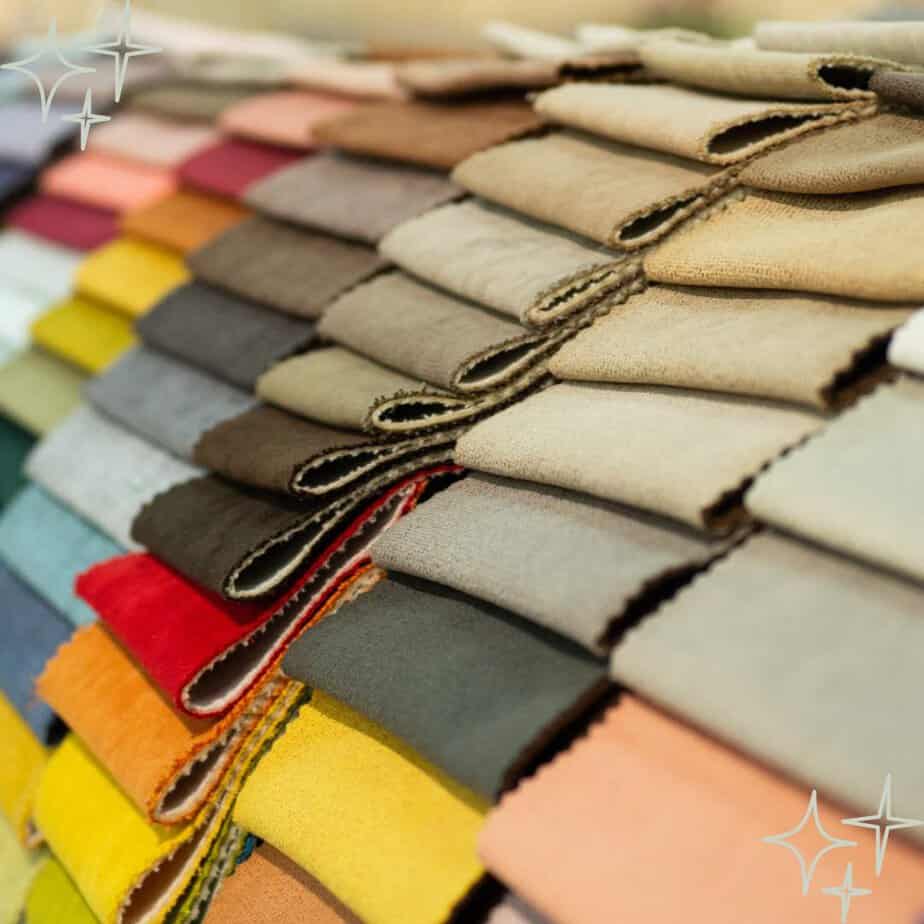
When selecting upholstery for country club dining chairs, lounge seating, or bar stools, appearance is only part of the equation. Fabric durability plays an equally important role, especially in spaces that see daily use, member events, tournaments, weddings, and private functions.
One of the most common questions designers and purchasing committees ask is:
What do all those abrasion numbers actually mean?
You may see upholstery specifications that list 30,000 double rubs or 50,000 Martindale cycles, but understanding what those numbers represent can help ensure you select fabrics that look beautiful and continue performing year after year.
Two of the most common durability tests used in commercial upholstery are Wyzenbeek and Martindale.
What Is Fabric Abrasion Testing?
Abrasion testing measures how well upholstery fabric resists wear from repeated rubbing and friction over time.
For commercial seating, especially hardwood chairs that are built to remain in service for decades, fabric selection can become one of the biggest variables affecting appearance and maintenance.
Abrasion testing does not predict every aspect of longevity, but it provides a standardized way to compare how fabrics perform under repeated use.
The two most recognized standards are:
- Wyzenbeek (commonly used in North America)
- Martindale (commonly used in Europe and internationally)
What Is the Wyzenbeek Test?
The Wyzenbeek Method is the most common upholstery durability test used in the United States.
During testing, a fabric sample is mounted under tension and rubbed back and forth using a cotton duck material under controlled pressure. The machine counts repeated motions called double rubs.
Testing continues until visible wear appears.
Fabric durability is typically reported as:
- 15,000 double rubs
- 30,000 double rubs
- 50,000 double rubs
- 100,000+ double rubs
Higher numbers indicate greater resistance to abrasion.
General Wyzenbeek Guidelines
Under 15,000 double rubs
- Light residential use
- Decorative applications
15,000 to 30,000 double rubs
- Moderate commercial environments
- Private offices
- Lower-use club spaces
30,000 to 50,000 double rubs
- Heavy commercial use
- Dining rooms
- Frequent member seating
50,000+ double rubs
- High-traffic hospitality environments
- Multi-use club spaces
- Seating expected to remain attractive over long service periods
It is worth noting that once fabrics reach higher commercial thresholds, additional factors beyond abrasion often become more important, including cleanability, seam strength, colorfastness, and stain resistance.
What Is the Martindale Test?
The Martindale Method is more commonly specified outside North America.
Instead of moving fabric back and forth in straight lines, Martindale testing uses a circular motion that better mimics multidirectional wear patterns.
Results are reported as cycles.
You may commonly see:
- 20,000 cycles
- 40,000 cycles
- 70,000 cycles
- 100,000+ cycles
Because the motion and testing methodology differ, Wyzenbeek and Martindale numbers cannot be directly converted.
A fabric rated at 50,000 Wyzenbeek double rubs is not automatically equivalent to 50,000 Martindale cycles.
That is why it is important to compare fabrics using the same testing method whenever possible.
Which Test Matters More for Country Clubs?
For most country clubs in the United States, you will encounter Wyzenbeek specifications more frequently because many North American commercial textile manufacturers publish abrasion performance using that standard.
However, the better question is not:
“Which number is higher?”
It is:
“Was this fabric tested appropriately for our application?”
A club’s grille room, formal dining room, bar, and event spaces all experience different wear patterns.
What Country Clubs Should Look for in Upholstery Fabrics
1. Commercial-Grade Durability
Dining chairs and lounge seating often experience constant use from members, guests, and events.
For heavily used seating, many clubs begin evaluating fabrics in the 30,000+ Wyzenbeek range or equivalent commercial-grade performance.
2. Cleanability and Stain Resistance
Abrasion resistance does not prevent:
- Red wine stains
- Sunscreen transfer
- Food spills
- Makeup
- Everyday soil buildup
Look at cleaning codes and maintenance requirements before making a final selection.
3. Colorfastness
Large windows and outdoor light exposure can fade upholstery over time.
Ask for:
- Lightfastness ratings
- UV resistance information
- Recommended maintenance schedules
4. Texture and Hand Feel
Country clubs often balance durability with comfort.
Textured woven fabrics may create visual richness but can sometimes hold soil differently than smoother surfaces.
Performance should support the club’s aesthetic, not fight against it.
5. Pattern and Color Longevity
High-contrast patterns can disguise wear longer in active environments.
Classic neutrals often remain timeless and easier to coordinate through future renovations.
Fabric Durability Is Only One Part of Chair Longevity
Even the highest-performing upholstery cannot compensate for furniture that is not engineered for commercial use.
When evaluating seating investments, clubs should consider:
- Frame construction
- Joinery methods
- Repairability
- Reupholstery potential
- Long-term maintenance costs
Many clubs choose hardwood seating specifically because upholstery can be refreshed over time while retaining the original chair frame. This approach extends the useful life of the furniture and reduces replacement cycles.
Wyzenbeek vs Martindale
Wyzenbeek and Martindale testing provide valuable data points when comparing upholstery fabrics, but they should not be viewed in isolation.
For country clubs, the best upholstery selection balances durability, appearance, cleanability, and long-term maintainability.
A well-built chair paired with the right commercial upholstery can continue serving members through years of dining service, tournaments, events, and daily use while maintaining comfort and character.